
What is CBAM? The EU Carbon Border Tax Explained

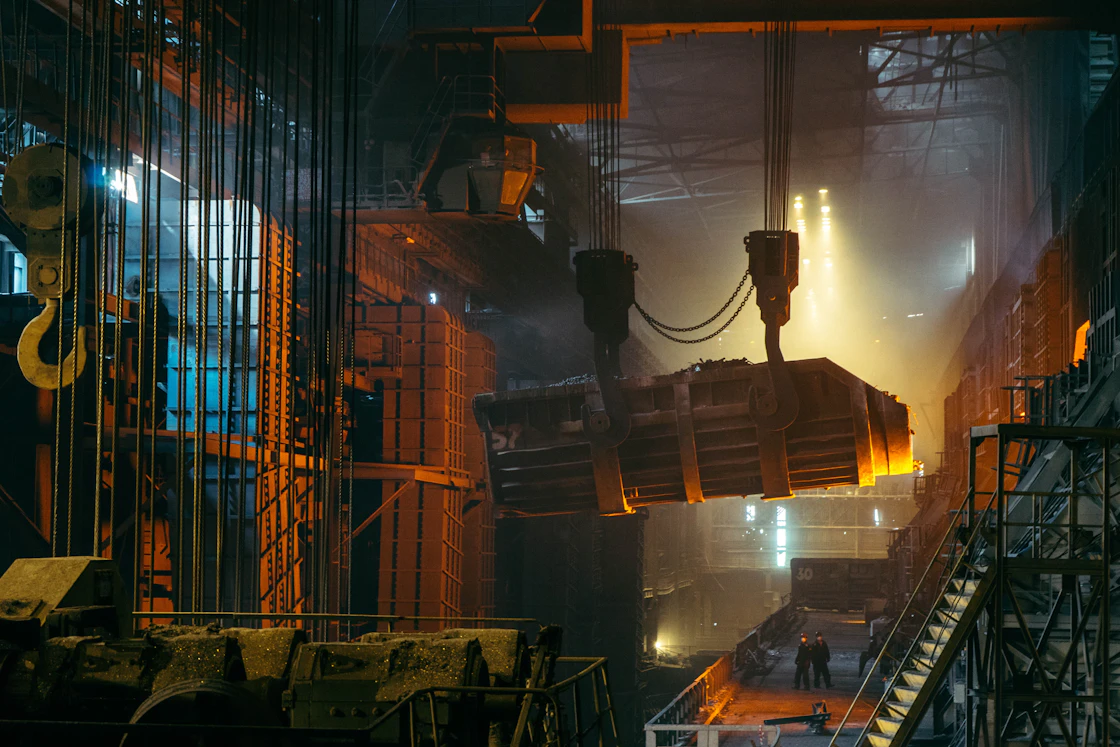
Two factories make the same steel beam.
One sits inside the EU. It pays for every tonne of carbon it emits. The other sits outside the EU. It pays nothing for its carbon and ships the beam in cheaper.
For years the second factory won on price, for a reason that had nothing to do with the steel.
CBAM exists to close that gap.
If you import steel, aluminium, cement, fertiliser, hydrogen, or electricity into the EU, this rule now reaches your shipments. A few of the dates below moved in late 2025, so it is worth reading them off the current text rather than an old blog post.
At a glance:
- CBAM is the EU's carbon price on imported steel, aluminium, cement, fertilisers, hydrogen, and electricity.
- The definitive period starts on 1 January 2026. That is when the financial obligation begins.
- CBAM certificate sales start on 1 February 2027, postponed from January 2026.
- Importers under 50 tonnes of covered goods per year are exempt, except for hydrogen and electricity.
- The first annual declaration, covering 2026 imports, is due by 30 September 2027.
What is CBAM?
CBAM is the EU's carbon price on imported goods. The name stands for the Carbon Border Adjustment Mechanism, set out in Regulation (EU) 2023/956.
It puts a carbon price on certain goods when they are imported into the EU. The aim is simple: charge imported goods for their carbon the same way EU producers are already charged for theirs.
The problem it targets has a name. Carbon leakage is the risk that firms shift carbon-heavy production out of the EU to avoid the carbon cost.
When carbon is expensive to emit inside the EU but free outside it, production just moves abroad. The emissions do not stop. They relocate.
CBAM answers that. The importer accounts for the carbon embedded in the goods and pays a price for it at the border.
Embedded emissions are the greenhouse gases released while the goods were made, not while they were shipped.
Put plainly: it is a carbon price on imports, so a tonne of steel made abroad carries the same carbon cost as a tonne made in the EU.
Which goods does CBAM cover?
CBAM does not apply to everything. It starts with six carbon-heavy sectors:
- Iron and steel
- Aluminium
- Cement
- Fertilisers
- Hydrogen
- Electricity
Coverage is set by HS and CN codes, not product names.
So whether a specific product, such as a bracket, bolt, or pipe, is in scope comes down to its exact code. That makes classification the first real CBAM task. If you cannot put the right code on the line, you cannot tell whether you owe anything.
Who has to report?
The obligation falls on the importer of record. That is the party bringing the covered goods into the EU, or an indirect customs representative acting for them.
From the definitive period, an importer must hold the status of authorised CBAM declarant to bring these goods in at all. An authorised CBAM declarant is an importer the customs authority has approved to bring covered goods into the EU.
There is now a size floor.
Under the 2025 simplification, importers whose covered goods total less than 50 tonnes of net mass per year are exempt from CBAM entirely. This single mass threshold replaced the old €150-per-shipment rule.
Hydrogen and electricity do not get this exemption.
A worked example: is a shipment in scope?
Consider three importers, each bringing goods into the EU over a full year.
| Yearly import | In CBAM scope? | Why |
|---|---|---|
| 40 tonnes of steel bolts | No | Below the 50-tonne net-mass floor |
| 60 tonnes of aluminium profiles | Yes | Above the 50-tonne floor |
| 10 tonnes of hydrogen | Yes | Hydrogen gets no mass exemption |
The mass floor is measured across the year, not per shipment. Ten 5-tonne loads of steel add up to 50 tonnes, so a run of small deliveries can still cross the line. Electricity is treated like hydrogen: it stays in scope whatever the volume.
The first column is decided by classification. If the code on the line is not a covered code, the goods never reach this test at all.
The dates that actually apply
CBAM runs in two phases, and the dates moved in late 2025, so older articles are still quoting the wrong ones.
| Date | Milestone | What it means for you |
|---|---|---|
| 1 Oct 2023 to 31 Dec 2025 | Transitional period | Quarterly reports on embedded emissions, no payment |
| 1 January 2026 | Definitive period begins | The financial obligation starts; authorised-declarant status required |
| 8 October 2025 | CBAM Omnibus adopted | Brought the 50-tonne threshold and the timing changes |
| 1 February 2027 | CBAM certificate sales begin | Postponed from January 2026 |
| 30 September 2027 | First annual declaration due | Covers your 2026 imports |
Read those together and the shape is clear.
Your obligation starts on 1 January 2026. But you do not buy and surrender certificates for 2026 imports until 2027.
You are on the hook for your 2026 carbon, and you settle that bill the year after.
How the payment works
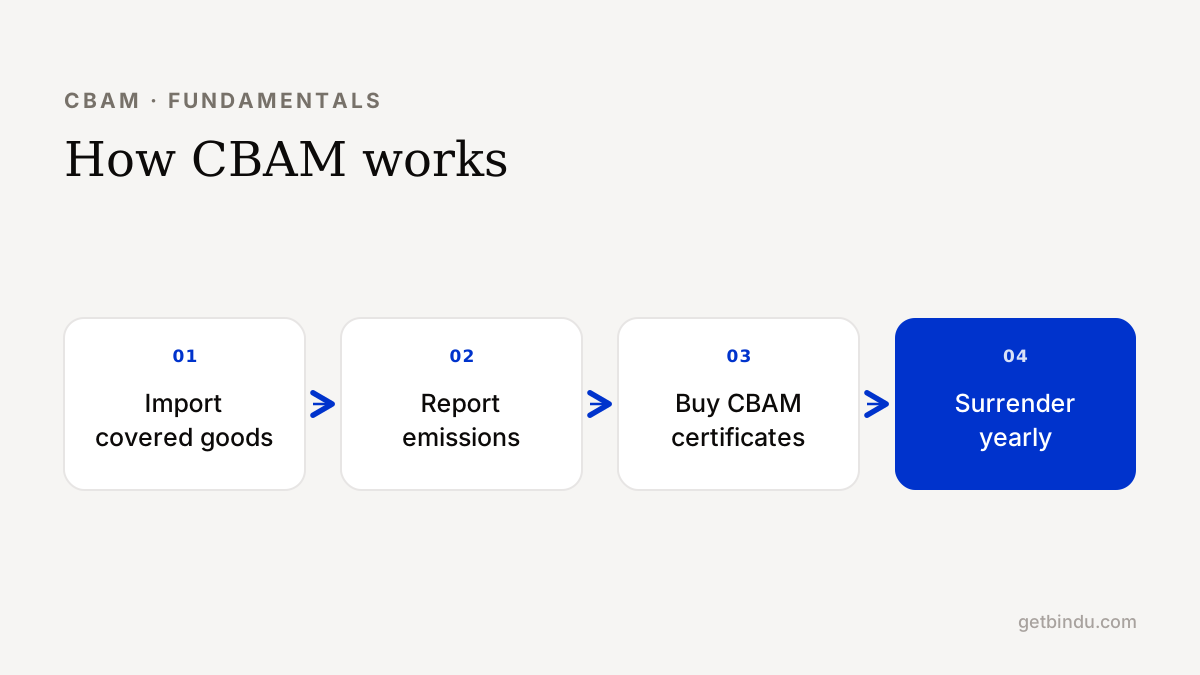
Once in the definitive period, it works like this.
You work out the embedded emissions in each shipment, using the producer's real data where you have it, or default values where you do not.
You buy CBAM certificates, each priced to track the EU carbon price, to cover those emissions. CBAM certificates are the permits an importer buys and later hands back to settle the carbon on its imports.
Once a year, you submit an annual declaration and surrender enough certificates to match what you imported.
Where the exporter already paid a carbon price abroad, that can be deducted. The same tonne is not charged twice.
Two things decide the size of the bill: how much carbon is embedded, and the certificate price. Real supplier data usually beats a default value, because defaults are set to be conservative. Getting that real data, shipment by shipment, is the work.
The hard part is rarely the certificate. It is getting real emissions data out of a foundry or cement works several tiers up your chain, in the right format, for every shipment.
Where Bindu fits. Bindu reads your import documents into products, quantities and origins, classifies each line to its CN code, and shows which goods sit in CBAM scope and which fall under the 50-tonne floor. For the goods in scope it opens the report pre-filled and keeps the supplier emissions evidence attached to the right shipment. See the CBAM breakdown.
FAQ
What is CBAM in simple terms? CBAM is a carbon price the EU charges on certain imported goods, like steel and aluminium, so imports carry the same carbon cost as goods made inside the EU. That inside price is the EU Emissions Trading System, and a CBAM certificate is priced off it. The importer reports the emissions embedded in the goods and, from 2027, buys certificates to cover them.
Source: European Commission: Carbon Border Adjustment Mechanism
Source: EUR-Lex: Directive 2003/87/EC, the EU Emissions Trading System
Which products are covered by CBAM? Iron and steel, aluminium, cement, fertilisers, hydrogen, and electricity, defined by their HS and CN codes.
Source: EUR-Lex: CBAM, Regulation (EU) 2023/956
When does CBAM start charging money? The definitive period begins on 1 January 2026. Certificate sales begin on 1 February 2027, and the first annual declaration, covering 2026 imports, is due by 30 September 2027.
Source: European Commission: Carbon Border Adjustment Mechanism
Who is exempt from CBAM? Importers whose covered goods total less than 50 tonnes of net mass per year are exempt, following the 2025 Omnibus simplification. Hydrogen and electricity are excluded from this exemption.
Source: EUR-Lex: CBAM, Regulation (EU) 2023/956
What is the difference between CBAM and EUDR? Both add a filing before goods move, but they target different things. CBAM prices the carbon in carbon-heavy imports. EUDR proves commodities like coffee and timber are deforestation-free. Many importers now face both.
Source: European Commission: Carbon Border Adjustment Mechanism