
Digital Product Passport: 8 Questions to Check Your Product

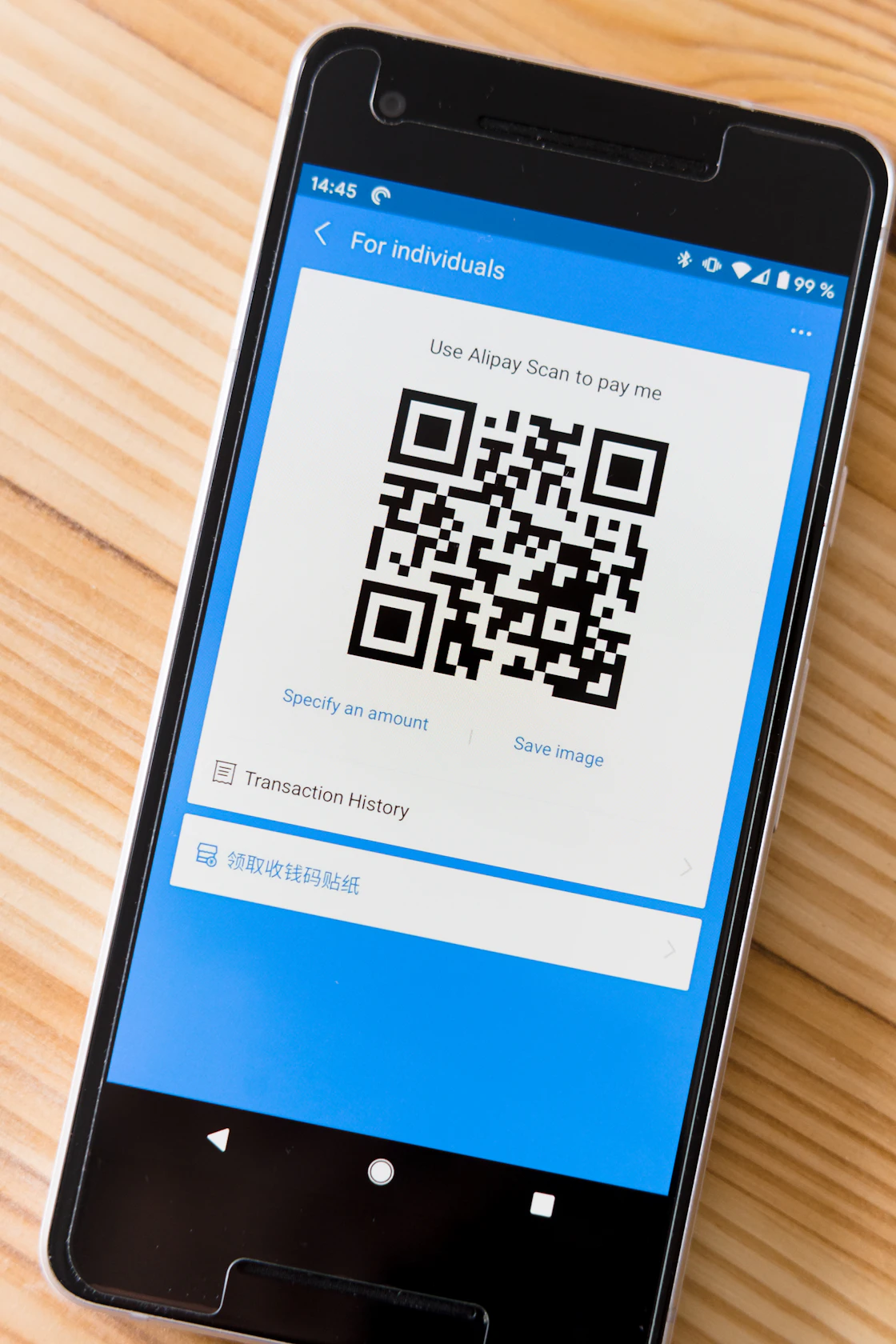
A buyer asks whether your product will need a digital product passport. You have no idea, and you do not want to read a regulation to find out.
You do not have to. A passport only becomes compulsory for a product when a law for that product group says so, and most products have no such law yet. Eight questions sort you into one of three places: you need one soon, you will need one later, or you do not need one. Answer them in order and stop at the first yes.
At a glance:
- Batteries are first. The passport is law from 18 February 2027. From 14 November 2026, that is 96 days.
- Toys, detergents, construction products and vehicles have their own laws, with dates from 2028 to 2032.
- Steel, aluminium, textiles, tyres, ICT, furniture and mattresses are planned, not yet law.
- Food, feed and medicines are outside the rules. Cosmetics have no passport rule today.
The 8 questions
1. Is it food, feed or a medicine?
If yes, you can stop. These sit outside the ecodesign law that creates the passport, the ESPR, and have no passport rule.
2. Is it a motor vehicle?
Vehicles get their own passport under the End-of-Life Vehicles Regulation (EU) 2026/1738, from 1 September 2032. A vehicle maker still has years. The batteries inside the vehicle follow a different, earlier date (question 3).
3. Is it an EV, industrial or light-transport battery?
This is the only passport that is law and close. If you place EV batteries, industrial batteries above 2 kWh or batteries for light means of transport such as e-bikes on the EU market, each battery needs its own passport, opened by a QR code, from 18 February 2027. The data behind it, such as carbon footprint, material origin and recycled content, has to come from suppliers, and that is the slow part. Start with our battery passport guide.
4. Is it a toy, a detergent or a construction product?
Each has its own law, and each date is fixed or planned:
| Product | Law | Passport from |
|---|---|---|
| Detergents | Detergents Regulation (EU) 2026/405 | 23 September 2029 |
| Toys | Toy Safety Regulation (EU) 2025/2509 | 1 August 2030 |
| Construction products | Construction Products Regulation (EU) 2024/3110 | 2028 (the Commission's plan) |
For toys, the passport replaces the EU declaration of conformity. It is not extra paperwork on top.
5. Is it iron, steel or aluminium?
Not yet law, but close. The Commission expects to adopt the iron and steel act in Q4 2026. As of 14 November 2026 we found it had not been adopted. The plan points to passports for steel in 2028 and for aluminium in 2029. Steel and aluminium are intermediate products, so the data requests will reach you through whoever buys from you.
6. Is it textiles, a tyre, an ICT product, furniture or a mattress?
These are on the Commission's priority list. The textile, tyre and aluminium acts are expected in Q3 to Q4 2027, which puts the passports at 2029 at the earliest. A delegated act applies at least 18 months after it enters into force, so the earliest date is a floor. Furniture and mattresses follow later and are not yet dated. For textiles, see what the textile passport will require.
7. Is it cosmetics, machinery or something not on any list?
Then no passport rule covers your product today. Cosmetics usually end up here for now. Machinery has no rule of its own. Watch the steel act, because the open argument is how far it reaches into the parts made from steel. Check the Commission's working plan once a year.
8. Do you supply someone who makes any of the above?
This question catches the most people. If you sell steel, cells, fabric, plastic parts or components to a maker of a covered product, your customer's passport needs your data. They are likely to ask before the law reaches you. A supplier who can answer quickly is easier to buy from.
Your result
- Yes to 3: work backwards from 18 February 2027 now.
- Yes to 4, 5 or 6: you have time, but the supplier data takes longest. Start there.
- Yes to 8 only: expect questions from customers before you owe anything yourself.
- Yes to 1, 2 or 7: nothing to do today. Re-check in a year.
Bindu does this part. The slow work in every passport is the same: getting data from suppliers who each hold it in a different system. Bindu gives each supplier their own workspace, linked to their own systems, so nobody hands over an ERP. Where data is missing, AI collects it over email or WhatsApp, so nobody chases by hand. The passport data builds up as the answers arrive. See how it works.
What the passport registry changes
The EU passport registry opened on 20 July 2026, with a testing environment. It stores each passport's unique identifier. A registry entry is not proof that your product complies. The latest updates page tracks the standards and the first product acts as they land.
Where Bindu fits. The question "do I need one" takes five minutes. The question "can I prove it for every product, from every supplier" takes longer, and it is the one your buyers will ask. Bindu collects the supplier data for each product and keeps it in one place, so when your date arrives the data is already there. Book a demo.

FAQ
Which products need a digital product passport? Only products covered by a law that requires one. Batteries come first, from 18 February 2027. Toys, detergents, construction products and vehicles have their own laws. Steel, aluminium, textiles, tyres, ICT, furniture and mattresses are planned under the ESPR.
Source: European Commission: Digital Product Passport
When is the digital product passport mandatory? It depends on the product. Batteries: 18 February 2027. Detergents: 23 September 2029. Toys: 1 August 2030. Vehicles: 1 September 2032. For other groups, the dates are the Commission's plan and not yet law.
Source: European Commission: ESPR and Energy Labelling Working Plan 2025-2030
Does food or cosmetics need a digital product passport? Food, feed and medicines are outside the ESPR and have no passport rule. Cosmetics have no passport rule today.
Source: EUR-Lex: Regulation (EU) 2024/1781 (ESPR)
Is the digital product passport registry live? Yes. The Commission opened it on 20 July 2026 with a testing environment and a helpdesk. A registry identifier does not prove a product complies.
Source: European Commission: The Digital Product Passport Registry is now live
Do I need a passport if I only supply components? Not unless your component is itself covered. But the maker of a covered product needs your data for their passport, so expect requests from customers ahead of any legal date.
Source: EUR-Lex: Regulation (EU) 2024/1781 (ESPR)
This article reflects the official position as of 14 November 2026. This is general information, not legal advice.