
Who Is Responsible for a Digital Product Passport?


Ask who is responsible for a digital product passport and you will hear "the manufacturer". That is the start of the answer, not the end of it.
The ESPR does not give the passport a single owner. It gives each link in the chain a job: one makes it, one checks it, one shows it. If you import goods into the EU, or you export to the EU from outside, your job is probably bigger than you think.
At a glance:
- The manufacturer must make sure a passport exists. That includes a back-up copy held by a service provider (Article 27).
- The importer must check it. Before placing a product on the market, the importer must ensure the passport and the back-up copy are available (Article 29).
- An authorised representative cannot take the passport duty. The mandate does not cover Article 27(1) (Article 28).
- Importers and distributors can become manufacturers. Selling under your own name does it (Article 34).
- None of this bites yet outside batteries. The duties apply to products under a delegated act, and none has been adopted. Batteries have their own regime from 18 February 2027.
Who does what?
The table follows Articles 27 to 35 of the ESPR. It applies to products covered by a delegated act under Article 4.
| Actor | Duty on the passport | Article |
|---|---|---|
| Manufacturer | Ensure a passport is available, including a back-up copy of the latest version held by a passport service provider | 27(1)(c) |
| Authorised representative | Cannot take over the passport duty. The written mandate may not include Article 27(1) | 28(1) |
| Importer | Ensure the passport and the back-up copy are available before placing the product on the market. Show its name and contact details on the public part of the passport and on the product | 29(2)(c), 29(3) |
| Distributor | Check the product is labelled or linked to a passport, as the product act requires, before making it available | 30(2)(a) |
| Dealer | Keep the passport easily accessible to customers and potential customers, including in distance selling | 31(2) |
| Online marketplace | Cooperate with market surveillance authorities. Authorities can order content about a non-compliant product to be removed | 35 |
| Whoever places the product on the market | Provide dealers and marketplaces with a digital copy of the data carrier within five working days of a request. Upload the identifiers to the registry | 10(3), 13(4) |
| Whoever creates or updates the passport | Request a unique operator identifier or facility identifier on behalf of an actor that does not have one yet | 12(2), 12(3) |
Annex III also lists what the passport can hold about these actors: the manufacturer's identifier, the importer's details and EORI number, and the contact details of the economic operator established in the Union who is responsible for compliance tasks.
What if the manufacturer is outside the EU?
This case matters most to importers and to exporters outside the EU, so read it carefully.
A manufacturer outside the EU is still the manufacturer under the regulation. Its duty to make a passport available does not go away. But the regulation pushes the check to the EU side. Before a product is placed on the market, the importer must ensure that the passport is available, including the back-up copy (Article 29(2)(c)), and that the manufacturer has done its own conformity work. If the importer has reason to believe a product does not comply, it must not place it on the market until it does.
An authorised representative does not solve this. Article 28(1) says the passport duty in Article 27(1) is not part of the representative's mandate. The representative keeps documents for authorities. It does not own the passport.
Our reading is practical. An importer cannot assume the supplier has done the work. And a non-EU exporter who wants to keep selling to EU importers will be asked for the data. The passport is the importer's problem on paper and the exporter's data in practice.

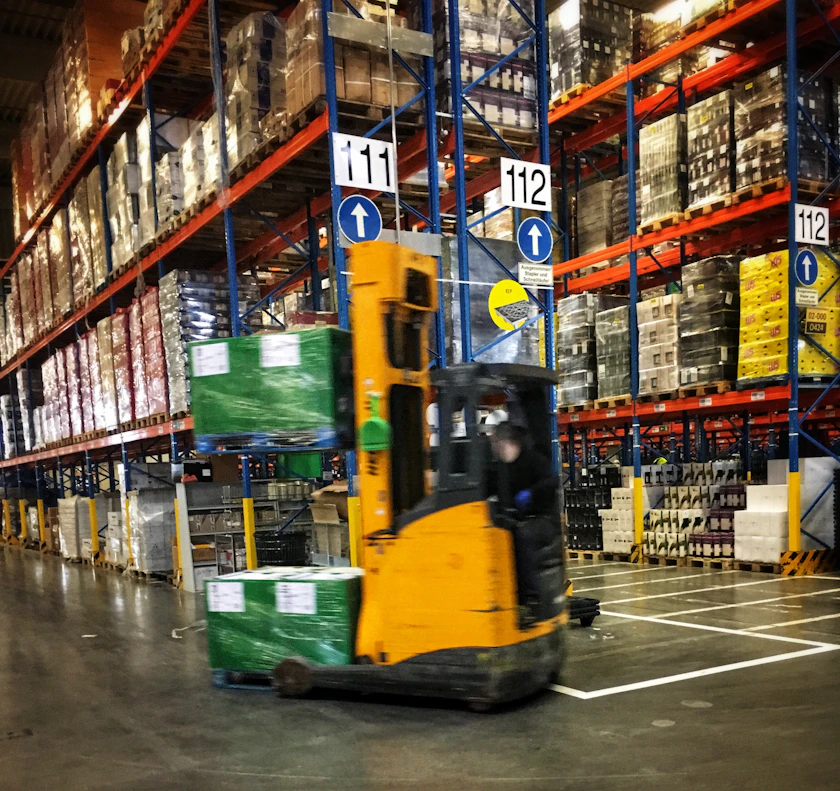
Photo by Daniel Miksha on Unsplash
When does an importer or distributor become the manufacturer?
Article 34 says importers or distributors are treated as manufacturers in two cases. They place a covered product on the market under their own name or trademark. Or they modify a product already on the market in a way that affects compliance.
The first case is private label. A retailer that sells a product under its own brand takes on the manufacturer's duties, including making sure the passport exists. This catches many importers by surprise.
Does any of this apply today?
Mostly not. The duties above attach to products covered by a delegated act. As of 7 November 2026, no product group under the ESPR has a passport duty in force. The first act, on iron and steel, is expected in Q4 2026, and each act applies at least 18 months after it enters into force. See our update on what changed and what is next.
Batteries are different. They have their own passport under Regulation (EU) 2023/1542, mandatory from 18 February 2027. There the responsibility is set out in Article 77:
- The economic operator that places the battery on the market must make sure the passport is accurate, complete and up to date. It may give another operator written authorisation to act for it.
- If a battery is repurposed, remanufactured or prepared for re-use, responsibility moves to the operator that places it on the market again, with a new passport linked to the old one.
- When a battery becomes waste, responsibility passes to the producer, or to the producer responsibility organisation or the waste operator, as the regulation sets out.
For the data itself, see what a battery passport must hold.
What can a non-EU exporter do now?
These steps are our suggestions, not legal duties. They make you easier to buy from.
- Find out whether your product is under an act. Our guide on which products need a digital product passport lists the sectors.
- Ask your EU importers what they will need from you. They carry the check. Get their data list early.
- Get your own identifiers in order. Article 12 says the operator that creates the passport requests a unique operator identifier for an actor that lacks one. Having yours ready saves a step.
- Keep material, origin and substance data in a form you can send. Spreadsheets in email are the slow way.
- Agree who holds the data. Put in writing who creates the passport, who updates it and who keeps the back-up.
Where Bindu fits. Bindu starts with the supplier data a passport is built from. Each supplier gets their own workspace, linked to their own systems, so nobody hands over an ERP. AI collects what is missing over email or WhatsApp, so nobody chases by hand. See the battery passport breakdown.
What to do this week
- Write down your role for each product: manufacturer, importer, distributor or dealer. Check whether you sell under your own name.
- Check whether the product sits under an act.
- Ask your five biggest suppliers which passport data they already hold.
See how it works at getbindu.com.
FAQ
Who is responsible for the digital product passport? The manufacturer must ensure a passport is available, with a back-up copy held by a service provider. The importer must ensure it is available before placing the product on the market. Distributors and dealers check and show it. For batteries, the operator that places the battery on the market must keep it accurate and up to date.
Source: EUR-Lex: Regulation (EU) 2024/1781, Articles 27 to 31
Can an authorised representative handle the passport for a non-EU manufacturer? No. The ESPR says the obligations in Article 27(1), which include the passport, are not part of the authorised representative's mandate.
Source: EUR-Lex: Regulation (EU) 2024/1781, Article 28
What must an importer do about the passport? Before placing a covered product on the market, ensure that a passport is available, including a back-up copy held by a passport service provider. The importer must also show its name and contact details on the public part of the passport and on the product.
Source: EUR-Lex: Regulation (EU) 2024/1781, Article 29
When is an importer treated as a manufacturer? When it places a covered product on the market under its own name or trademark, or modifies a product already on the market in a way that affects compliance.
Source: EUR-Lex: Regulation (EU) 2024/1781, Article 34
What do online marketplaces have to do? Cooperate with market surveillance authorities and set up a single contact point. Authorities can order a marketplace to remove content referring to a non-compliant product. The operator placing the product on the market must give marketplaces a digital copy of the data carrier within five working days of a request.
Source: EUR-Lex: Regulation (EU) 2024/1781, Articles 10 and 35
Do these duties apply today? Only for products covered by a delegated act. None has been adopted outside batteries as of 7 November 2026. Batteries have their own passport rules, mandatory from 18 February 2027.
Source: EUR-Lex: Regulation (EU) 2023/1542, Article 77
This article reflects the official position as of 7 November 2026. The product acts that trigger these duties are still being adopted, so details can change. For anything after that date, check the European Commission's digital product passport page and the Official Journal on EUR-Lex. This is general information, not legal advice.