
Digital Product Passport UK: What Exporters Must Do


There is no UK digital product passport. There is also no way around the EU one if you sell into the EU.
That is the whole position in two sentences. The rest of this page is the detail: what the UK government has actually said, why EU rules still reach UK goods, which products and dates are real, and who has to do what when the maker sits outside the EU.
At a glance:
- Great Britain has no passport law. The government has opened a call for evidence on "digital product records", and says it has not yet determined its approach.
- EU rules follow the goods. The ESPR applies to physical goods placed on the EU market, wherever they were made.
- Northern Ireland is different. EU passport rules apply there under the Windsor Framework.
- Only batteries are fixed so far. The battery passport applies from 18 February 2027. No ESPR product act has been adopted yet.
- Your EU importer checks, you supply. The importer must make sure a passport exists, but the data starts with the maker.
What has the UK decided?
Nothing binding yet. In July 2026 the Department for Business, Innovation, Science and Trade published a call for evidence on digital product records. It was published on 27 July 2026 and closed on 21 September 2026.
The page is plain about the position. For Great Britain, the government says it has not yet determined its approach. It asks whether a future British system should work with the EU one, for example through a single data carrier, or be built just for the British market.
At the time of writing, the page shows no government response. It says an anonymised summary of responses will be published. So treat this as a policy discussion, not a compliance date.
Why UK goods are still caught
The ESPR applies to any physical goods placed on the EU market, including components and intermediate products. It does not ask where they were made. The text sits in Article 1(2) of Regulation (EU) 2024/1781.
So a British maker does not need a British law to be caught. It needs a buyer in Rotterdam. The government's own page says it directly: UK businesses exporting to the EU, or selling in Northern Ireland, will need to comply with the ESPR.

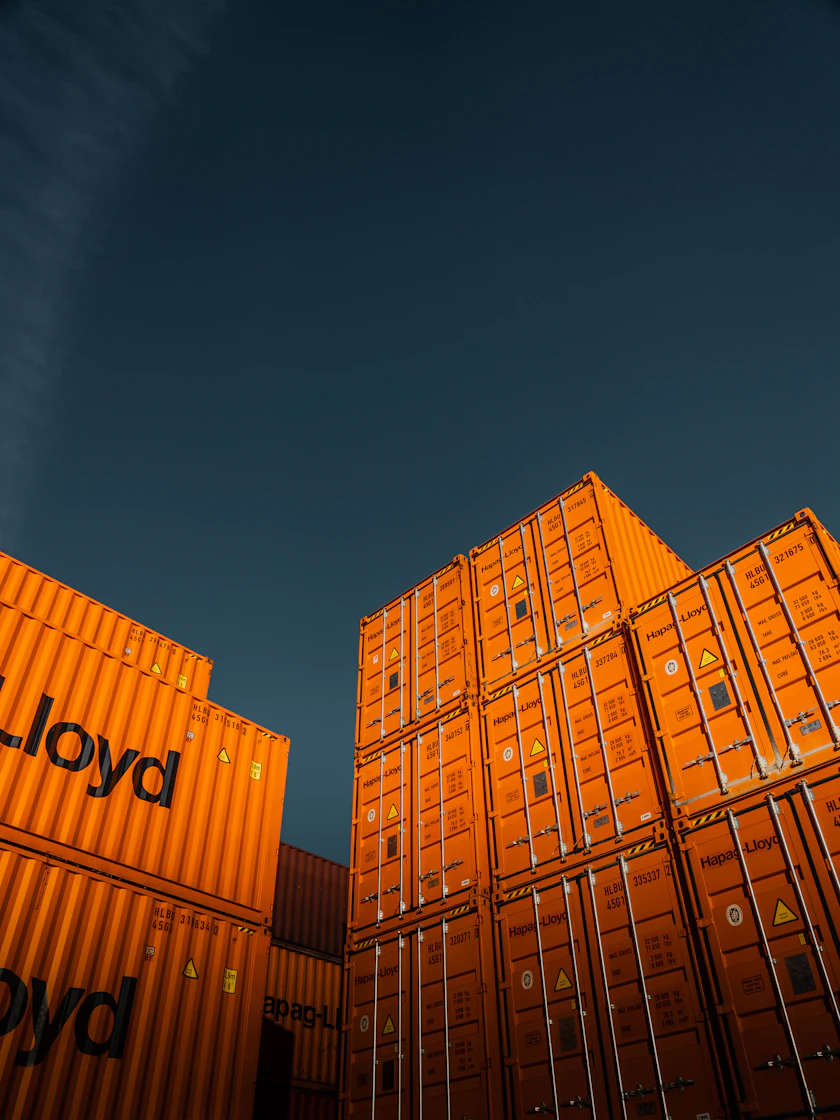
Photo by Ali Mkumbwa on Unsplash
What about Northern Ireland?
EU passport rules apply in Northern Ireland under the Windsor Framework. The government page says so for the ESPR, and says the EU Batteries Regulation applies directly there.
In practice, a seller in Great Britain who ships into Northern Ireland meets the same product rules as one shipping to Dublin. That matters if you assumed a UK-only product line was safe from the EU timetable.
Which dates are real?
Only one passport duty has a fixed date for everyone today. The rest depend on delegated acts that are not adopted yet.
| Product | Rule | Date | Status |
|---|---|---|---|
| EV, LMT and industrial batteries above 2 kWh | Batteries Regulation, Article 77 | 18 February 2027 | Adopted |
| Iron and steel | ESPR delegated act | Act: Q4 2026 (indicative) | Not adopted |
| Detergents | Detergents rules | 23 September 2029 | Adopted |
| Toys | Toy safety rules | 1 August 2030 | Adopted |
| Other ESPR groups (textiles, furniture, tyres and more) | ESPR delegated acts | Not set | Planned |
The Commission's own page gives Q4 2026 as the indicative time for the iron and steel act, and says timelines may change. Once an act is adopted, the passport duty cannot apply sooner than 18 months later, except in duly justified cases (Article 4(4)). For the full picture by sector, see which products need a digital product passport.
Who does what when the maker is in the UK?
The law splits the work between the maker and the party who brings the goods in. The ESPR sets the following duties for products covered by a product act.
| Who | What they must do | Where |
|---|---|---|
| Manufacturer (anywhere) | Make sure a passport is available, with a back-up copy held by a passport service provider | Article 27(1) |
| Importer (in the EU) | Check the passport exists before placing the product on the market, and put its name and contact details on the public part and on the product | Article 29(2) and (3) |
| Authorised representative | Optional. Acts under a written mandate and keeps the declaration of conformity and technical documents for 10 years | Article 28 |
| Whoever places the product on the market | Give dealers and online marketplaces a copy of the data carrier within five working days of a request | Article 10(3) |
For batteries the duty sits with the economic operator that places the battery on the market, and the Commission says it lies with the party placing the finished battery on the market, not with component suppliers. For a UK maker selling to an EU buyer, that is usually the importer. We cover that in who is responsible for a digital product passport.
The importer can only check what the maker provides. So the maker's job is to hand over the data, in a form the importer can use, and to keep it current.
A worked example
Picture a UK company that builds e-bike battery packs. It sells 2,000 packs a year to an importer in the Netherlands.
Each pack is a light means of transport (LMT) battery. From 18 February 2027, each one needs its own passport, so that is 2,000 passports, each reached through a QR code on the pack. The Dutch importer is the economic operator placing them on the EU market, so it owns the passports and must keep them accurate, complete and up to date.
But the importer cannot invent the data. Cell chemistry, capacity, manufacturing details and the rest start with the UK maker. So the UK company and the importer need a clear agreement now: who fills each field, who updates it, and how fast. We list the fields in what a battery passport must hold.
The same pack sold in Northern Ireland meets the same rule.
What to prepare now
- Check your product against the list. Is it a battery, steel or a product group with a planned act? Start with the sector table.
- Name the roles. Who is the manufacturer, who is the importer, and is there an authorised representative?
- Start collecting supplier data. This is the slow part. Material and substance data comes from your suppliers, not from you.
- Get your identifiers in order. The ESPR lists items such as the product identifier, commodity codes, and an importer's EORI number as data a passport can carry (Annex III).
- Agree who keeps the passport current. Put it in the contract with your EU importer.
- Watch two sources. The Commission's passport page for EU dates, and GOV.UK for the outcome of the call for evidence.
Where Bindu fits. Collecting product data once, keeping it current and giving each importer the right view of it is the work a passport tool exists for. Bindu is built for that job. See how digital product passport software works, or look at Bindu's DPP page.
FAQ
Does the UK have a digital product passport? Not for Great Britain. The UK government has run a call for evidence on digital product records and has not yet determined its approach. EU passport rules apply in Northern Ireland under the Windsor Framework.
Source: GOV.UK: Call for evidence on digital product records policy
Do UK exporters need a digital product passport for the EU? Yes, for products covered by a passport rule. The ESPR applies to physical goods placed on the EU market, and the UK government says exporters to the EU must comply. Today that means batteries from 18 February 2027. Other product groups follow as acts are adopted.
Source: EUR-Lex: Regulation (EU) 2024/1781, Article 1
Does the passport apply in Northern Ireland? Yes. The government says EU passport requirements will apply in Northern Ireland under the Windsor Framework, and that the EU Batteries Regulation applies directly there.
Source: GOV.UK: Call for evidence on digital product records policy
When does a UK exporter need to be ready? For large batteries, by 18 February 2027. For other products, no earlier than 18 months after the relevant product act enters into force, unless the act justifies an earlier date. No ESPR product act has been adopted yet.
Source: EUR-Lex: Regulation (EU) 2024/1781, Article 4(4)
Who is responsible if the maker is outside the EU? The importer must make sure a passport is available before it places a covered product on the EU market. The manufacturer must also make sure one exists. In practice the maker supplies the data and the importer checks it.
Source: EUR-Lex: Regulation (EU) 2024/1781, Articles 27 and 29
Will the UK build its own passport? That is not decided. The call for evidence asks whether a British system should work with the EU one, for example through a single data carrier, or be built only for Great Britain. A government summary of responses is still to come.
Source: GOV.UK: Call for evidence on digital product records policy
This article reflects the official position as of 9 November 2026. This is general information, not legal advice.