
FCA Incoterms Explained: 8 Checks for Exporters

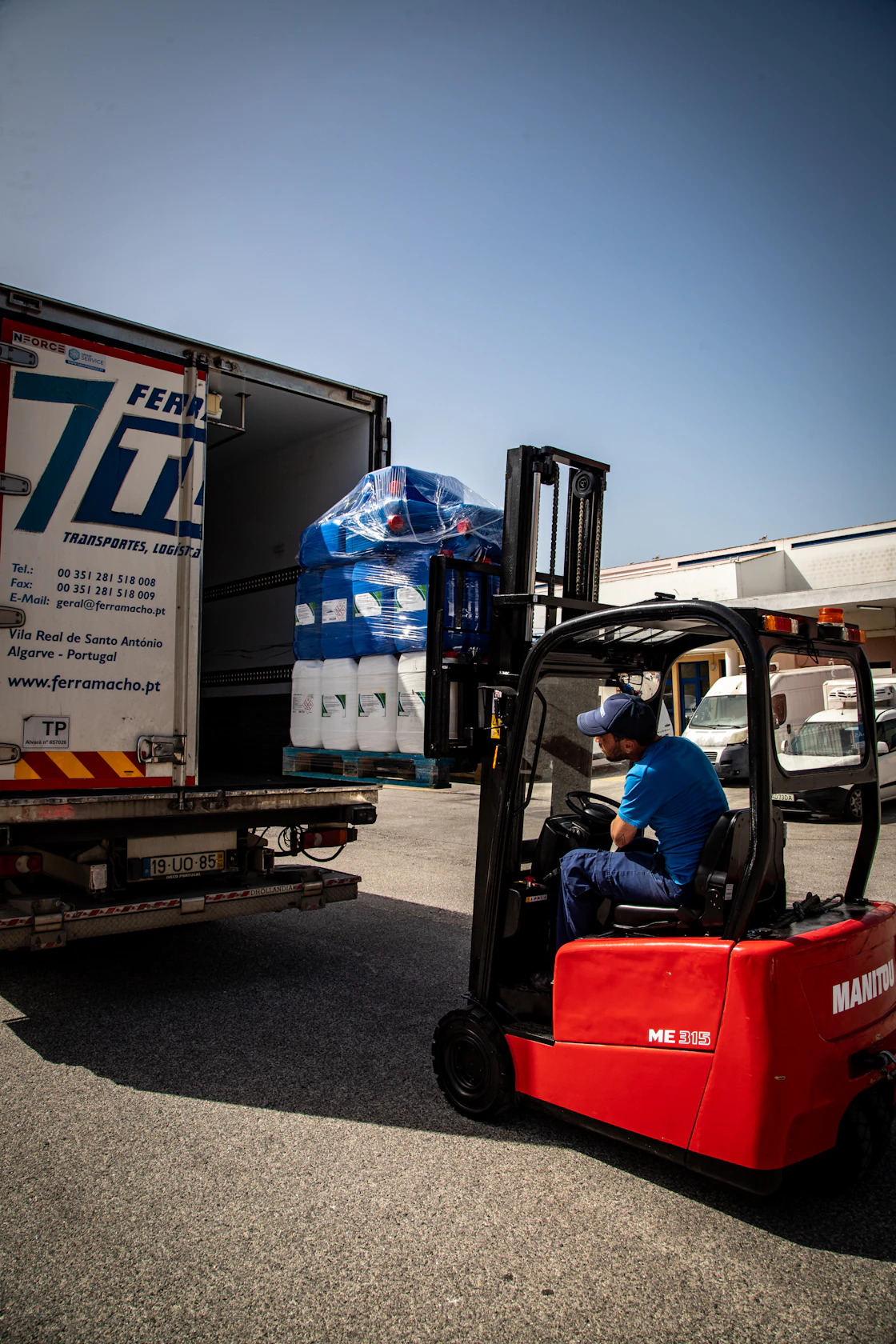
Your buyer in Europe writes "FCA, please". Do you load the truck? Who clears export? And where exactly does the risk pass: at your warehouse door, or at the port?
FCA is a short term with a lot packed into it. This is the checklist we would run before you agree it. Eight checks, in the order they come up.
At a glance:
- FCA stands for Free Carrier. The seller delivers the goods to the carrier named by the buyer, at the seller's premises or at another named place.
- Risk passes to the buyer at that place, so the place has to be exact.
- The seller clears the goods for export.
- The buyer arranges and pays the main transport. FCA works for any mode of transport, including containers.
- With FCA the price does not include freight, which matters for the importer's customs value.
1. Know what FCA means
German customs defines FCA in one sentence: the seller delivers the goods to the carrier, or another person the buyer names, at the seller's premises or another named place. It adds that the seller must clear the goods for export, where that applies. The ICC Academy, the body that publishes the rules, adds that FCA suits any mode of transport, including multimodal shipments, and fits container transport well.
2. Name the place exactly, and write the term in full
Risk passes at the point where you hand over the goods. German customs advises naming that point inside the delivery place as precisely as possible. So write the rule, the place and the version, the way the ICC does: "FCA Seller's factory, Zhengzhou, Incoterms 2020". "FCA China" tells nobody where the risk changed hands.
3. Decide: your premises or a terminal
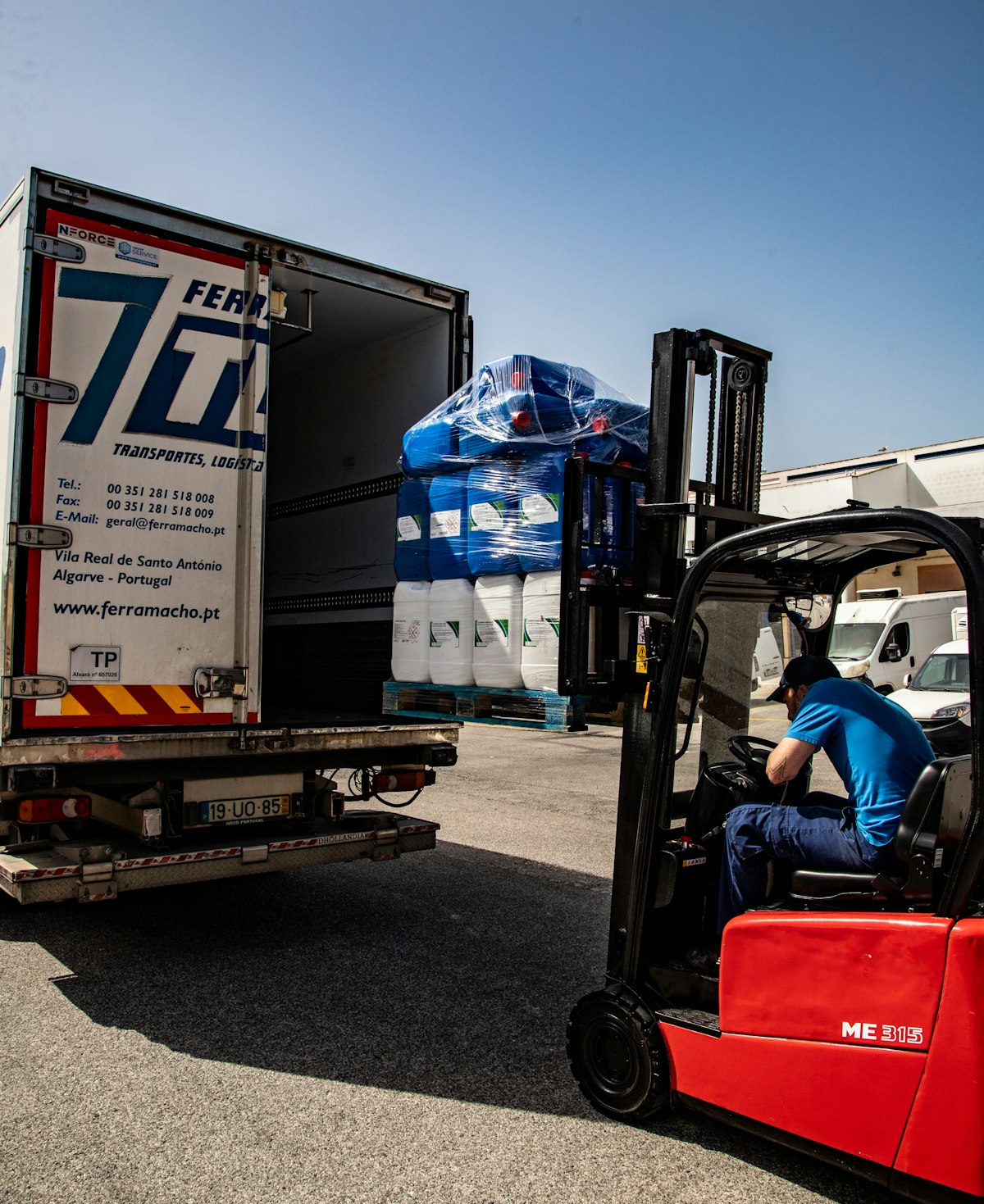
Under FCA the parties choose one of two delivery points. At the seller's premises, the ICC says the seller has delivered once the goods are loaded onto the buyer's collecting vehicle. At another agreed place, such as an airport cargo terminal, a rail terminal or a container terminal at the port of shipment, the seller delivers by handing the goods to the carrier, ready for unloading from the seller's own arriving vehicle. In the first case you load. In the second you do not.
4. Remember that export clearance is yours
Whichever delivery point you pick, the seller completes the export formalities and the security requirements for transport. If you ship from India, that means the export side is on you even though the buyer pays for the main carriage. Plan the paperwork before the truck arrives, not when it is at the gate.
5. Do not use FCA when you mean EXW
EXW is a pure collection term. According to German customs, the seller delivers by making the goods available at its premises or another named place. It need not load them onto the collecting vehicle and need not clear them for export. If you want the buyer to handle export clearance, EXW is the term. If you will clear export, use FCA.
6. Do not use FCA when you mean FOB
FOB delivers the goods on board the vessel at the named port, and the ICC says it is for maritime or inland waterway transport only. FCA is the appropriate rule for containers and pallets and for several modes of transport. The ICC adds a warning on FOB: if the buyer is late with the vessel name or the loading point, the buyer carries the risk even before the goods are on board.
| EXW | FCA | FOB | |
|---|---|---|---|
| Where it is delivered | Seller's premises or named place | Carrier named by buyer, at premises or named place | On board the vessel at the named port |
| Loading by seller | No | At premises, onto the collecting vehicle | On board |
| Export clearance | Buyer | Seller | Seller |
| Transport modes | Any | Any | Sea and inland waterway only |
Bindu does this part. Under FCA the export papers, the invoice and your buyer's import declaration all carry the same product, origin, quantity and value. Bindu does not choose your Incoterm or clear goods for you. It reads your invoice or packing list into products, origins and quantities, classifies each line and shows which rules apply. The facts then come from one place. See how it works.
7. Agree who books the carrier, and what the invoice covers
The buyer names the carrier and contracts for the main transport. Agree the carrier's name and the pick-up time in writing, because your delivery obligation depends on handing the goods to that carrier. The ICC notes that under FCA the commercial invoice covers only the cost of the goods plus any export clearance and documentation costs. Freight is not on it.
8. Tell your EU buyer about the customs value
For goods entering the EU, German customs says transport and insurance costs are added to the price up to the place where the goods enter the EU, if they are not already in it. Under FCA the price excludes freight, so your buyer's agent will need the freight costs to set the customs value. Send the carrier's invoice or freight details with the shipment. Your buyer will also need an EORI number to import, as we explain in what an EORI number is, and the right code for the goods, which how to find a TARIC code covers. If your buyer wants you to import and pay the duty, that is a different term: see DAP vs DDP.
What to do this week
- List your open EU quotes that say FCA, EXW or FOB.
- For each, check that the place is exact and "Incoterms 2020" is written next to the rule.
- Confirm who books the carrier and when it collects.
- Send freight details to the buyer with every invoice.
Where Bindu fits. FCA keeps your side short, but the paperwork still repeats the same facts on the invoice, the packing list and your buyer's import declaration. Bindu keeps each product's code, origin and quantity in one record per shipment and reuses it on every document. It does not replace your freight forwarder and does not decide the Incoterm. See how it works.
FAQ
What does FCA stand for? Free Carrier. The seller delivers the goods to the carrier named by the buyer at the seller's premises or another named place.
Source: Zoll: Lieferbedingungen (Incoterms 2020)
Where does risk pass under FCA? At the agreed delivery place: the seller's premises once the goods are loaded onto the buyer's collecting vehicle, or another named place once the goods are handed to the carrier.
Source: ICC Academy: FCA and FOB explained
Who pays for freight under FCA? The buyer contracts for and pays the main transport. The seller's invoice covers the goods and any export clearance and documentation costs.
Source: ICC Academy: FCA and FOB explained
Is FCA the same as EXW? No. Under EXW the seller need not load the goods or clear them for export. Under FCA the seller must clear them for export.
Source: Zoll: Lieferbedingungen (Incoterms 2020)
When should I use FCA instead of FOB? When goods go in containers or on pallets, or by more than one mode of transport. FOB is only for sea and inland waterway transport.
Source: ICC Academy: FCA and FOB explained
This article reflects the official position as of 17 November 2026. We read the ICC Academy and German customs pages on that date. This is general information, not legal advice.